10 Essential Driving Tips Every New Driver in Raleigh Should Know
Major League Driving School | Raleigh, NC
Getting behind the wheel for the first time is a big milestone, but it can also feel a little overwhelming once you’re actually navigating real streets instead of an empty parking lot. Raleigh’s mix of downtown traffic, busy highway merges near I-440 and I-40, and quieter residential roads in areas like Cary, Apex, and Garner means new drivers have to get comfortable with a wide range of conditions fairly quickly. On top of that, construction detours, unpredictable weather, and a steady stream of new residents moving into the area all add a layer of complexity that experienced drivers barely notice but beginners feel right away. That’s exactly why having a solid set of driving tips for new drivers matters so much in those first few months behind the wheel. The habits you build early — how you check your mirrors, how closely you follow other cars, how you handle a sudden lane change — tend to stick with you for years, for better or worse. Below are ten practical, easy-to-remember tips that can help any new driver in the Raleigh area build confidence, reduce anxiety behind the wheel, and stay safe on the road from day one.
Why Beginner Drivers in Raleigh Need Strong Foundations Early
Before diving into the list, it helps to understand why the fundamentals matter so much for beginner drivers. Unlike experienced drivers who react to hazards almost automatically, new drivers are still building the muscle memory and judgment that make driving feel natural. Raleigh’s growth over the past decade has added more traffic, more construction zones, and more variety to daily commutes, so the margin for error is smaller than it used to be. A driver who learned on quiet neighborhood streets alone can still feel caught off guard the first time they merge onto I-40 during rush hour. Getting the basics right from day one — not just for the road test, but for real-world driving — sets beginner drivers up to handle unexpected situations calmly instead of panicking, and it makes every lesson afterward build on a steadier foundation.
1. Know Your Vehicle Before You Drive
Every car feels a little different. Before pulling out of the driveway, take a few minutes to locate the headlights, hazard lights, windshield wipers, and defroster controls, and adjust your mirrors and seat so you have a full view of the road. Knowing where everything is means you won’t be fumbling for a switch while merging onto the highway.
2. Always Buckle Up — No Exceptions
It sounds obvious, but seatbelt use is still one of the simplest, most effective habits a new driver can build. Make it automatic: the car doesn’t move until every seatbelt is on, no matter how short the trip.
3. Master Mirror and Blind Spot Checks
Mirrors don’t show everything. Get into the habit of physically turning your head to check blind spots before changing lanes or merging, especially on multi-lane roads like Capital Boulevard or the Beltline, where traffic can shift quickly.
Building Safe Driving Habits Behind the Wheel
Once the basics are second nature, the next step is developing habits that protect you in more demanding situations. Safe driving isn’t a single skill — it’s a collection of small, consistent choices made every time you’re behind the wheel.
4. Keep a Safe Following Distance
A good rule of thumb is the three-second rule: pick a fixed point ahead, and make sure at least three seconds pass between the car in front of you reaching it and you reaching it. Increase that gap in rain or heavy traffic, both of which are common on Raleigh’s highways during commute hours.
5. Avoid Distractions Behind the Wheel
Phones are the obvious culprit, but distractions also include eating, adjusting the radio, or reaching for something in the back seat. Set your route, playlist, and mirrors before you start driving, so your full attention stays on the road once you’re moving.
6. Practice Defensive Driving
Defensive driving means assuming other drivers might make mistakes and giving yourself room to react. Watch for cars that might run a yellow light, merge without signaling, or brake suddenly, and always have an exit plan in mind, especially at busy intersections. It also means resisting the urge to assume another driver sees you — a quick glance to confirm eye contact or a slight tap of the horn can prevent a close call before it happens.
7. Learn to Handle Local Traffic and Weather Conditions
Raleigh drivers deal with everything from summer thunderstorms to occasional winter ice. Practice driving in light rain with a licensed adult before doing it solo, and go slower than usual any time visibility or road grip is reduced.
How a Raleigh Driving School Can Support New Drivers
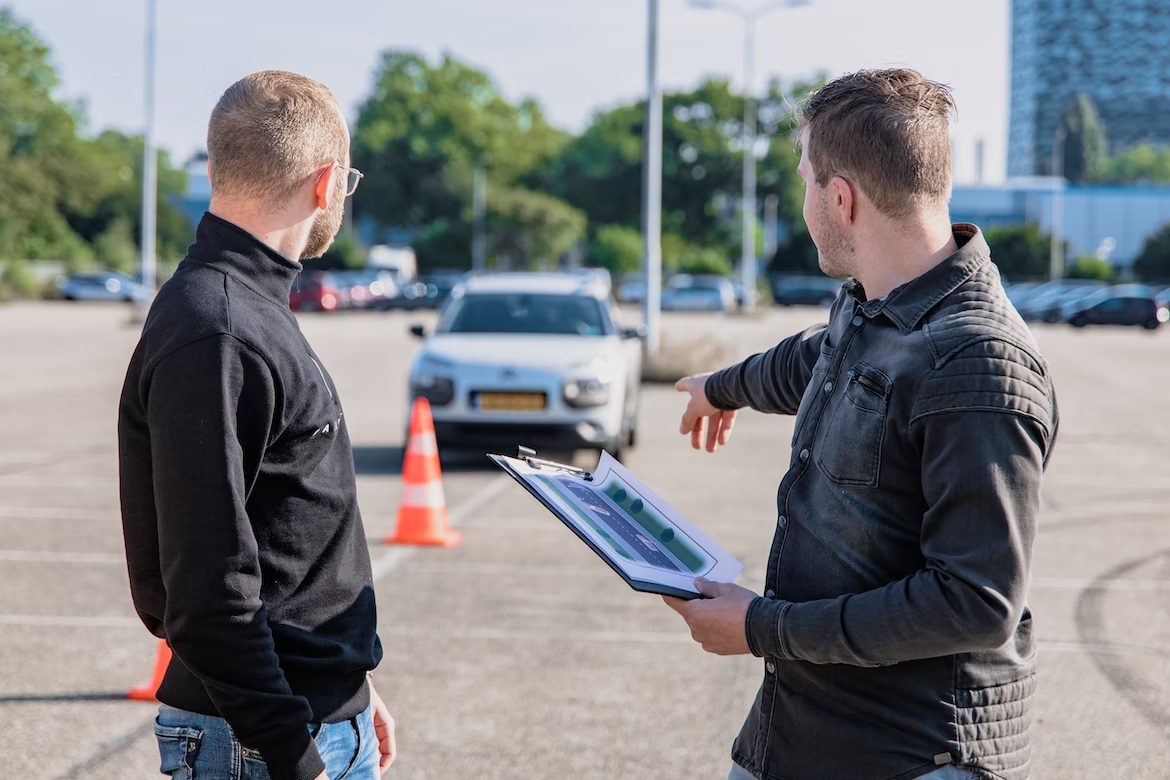
Reading about good habits is a great start, but there’s no substitute for structured, hands-on practice with someone who can correct mistakes in real time. This is where a Raleigh driving school makes a real difference for beginner drivers working toward their license.
8. Obey Speed Limits and Traffic Signals
Speed limits are set based on road design, visibility, and typical traffic patterns, not arbitrary numbers. Sticking to them — and coming to a full stop at stop signs and red lights, even when the road looks empty — is one of the most reliable ways to avoid accidents.
9. Practice in a Variety of Conditions
Confidence comes from exposure. Beginner drivers benefit from practicing at night, on the highway, in parking lots, and in light traffic, rather than sticking only to quiet, familiar streets. Each environment teaches a different skill, from judging highway merge speeds to parking in tighter spaces downtown, and gradually working up to more challenging conditions with a licensed adult in the car is far better than encountering them for the first time alone.
10. Never Stop Learning
Even after passing the road test, driving skills keep developing. Staying open to feedback, brushing up on defensive driving techniques, and taking a refresher lesson if something feels off are all part of becoming a genuinely confident driver, not just a licensed one.
This is exactly the kind of structured guidance a good driving school provides. At Major League Driving School in Raleigh, our instructors work one-on-one with beginner drivers to reinforce these habits through real practice, not just theory, so students leave every lesson a little more confident than when they started.
Final Thoughts on Safe Driving for New Drivers
Learning to drive is as much about building good judgment as it is about mastering the mechanics of a vehicle. These ten driving tips for new drivers won’t turn anyone into an expert overnight, but practiced consistently, they build the kind of steady, safe driving habits that last a lifetime. Whether you’re studying for your permit test or already logging supervised hours around Raleigh, focusing on the fundamentals now will pay off every time you’re on the road, in ways that go far beyond simply passing a road test.
It’s also worth remembering that no beginner driver becomes confident by reading about good habits alone — real progress comes from repetition, feedback, and time spent actually driving in the kinds of conditions they’ll face every day. Pairing steady practice with the right guidance is what turns a nervous new driver into a calm, capable one.
If you’re looking for structured, professional support along the way, Major League Driving School is here to help new drivers throughout the Raleigh area build the skills and confidence they need — not just to pass a test, but to drive safely for years to come.